
Unlimited Digital Marketing Blog
Make the most of your subscription with these helpful tips and resources, while unlocking the potential of digital marketing to gain valuable insights for unlimited growth.
Platform Navigation & Dashboard
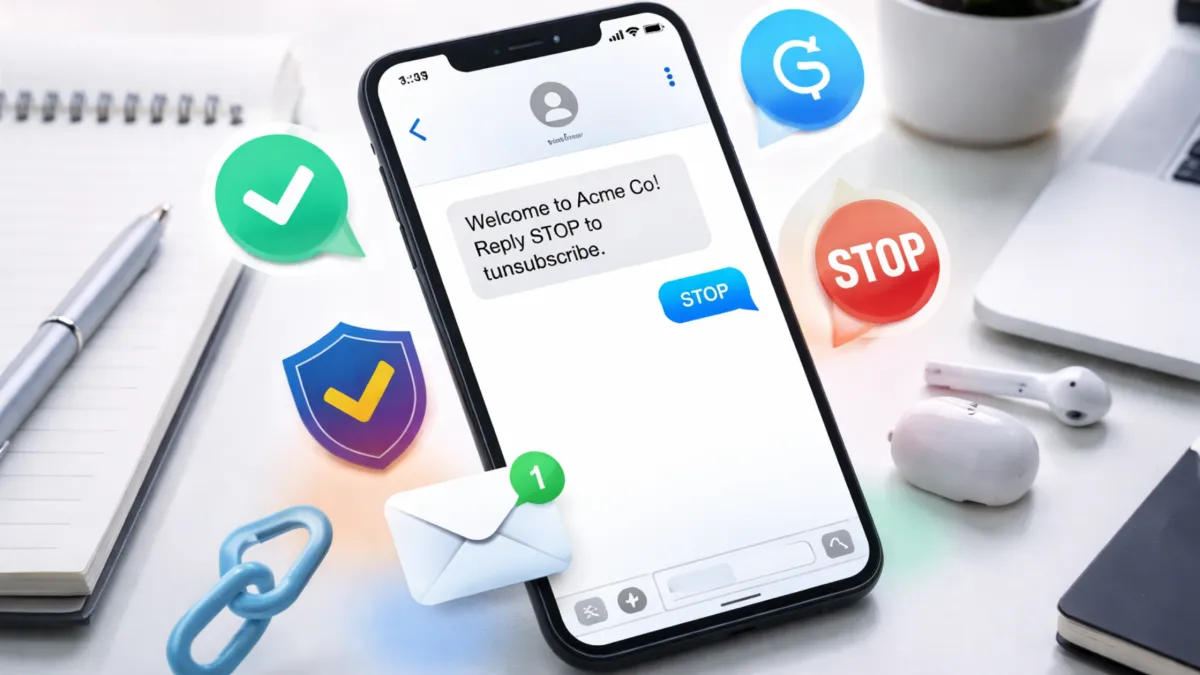
Best Practices for SMS Deliverability & Avoiding Message Restrictions
Reliable SMS delivery is essential for maintaining trust, engagement, and compliance. Mobile carriers closely monitor sending behavior, and poor practices can quickly lead to message filtering, temporary restrictions, or even permanent suspension.
This guide outlines proven best practices to help Unlimited Digital Marketing users improve SMS deliverability, reduce opt-outs, and stay aligned with carrier expectations.
Why SMS Monitoring Matters
Carriers evaluate SMS traffic to protect consumers from spam and unwanted messaging. If an account consistently shows poor sending behavior, carriers may restrict or block messages entirely.
To help protect your account and ensure long-term message delivery, Unlimited Digital Marketing actively monitors key SMS performance metrics and takes preventative action when thresholds are exceeded.
Proactive Safeguards Include:
Early warnings when deliverability issues arise
Temporary sending restrictions to prevent permanent carrier blocks
Clear guidance on corrective actions
Understanding Violation Notifications
Warning Email (Early Alert)
You’ll receive a notification when:
Delivery error rate reaches 6%
Opt-out rate reaches 2%
This is an early signal to pause and correct messaging behavior before restrictions occur.
Temporary SMS Restriction
Your account may be temporarily restricted if:
Delivery error rate reaches 10%
Opt-out rate reaches 3%
Once restricted, outbound SMS will fail until the daily reset at 12:00 AM UTC.
What To Do After Receiving a Violation Warning
If you receive a warning email, take action immediately:
Pause all SMS activity
Stop workflows, campaigns, triggers, and bulk sends—especially to contacts who have not clearly opted in.Review opt-out messaging
Ensure unsubscribe instructions (such as “Reply STOP to unsubscribe”) are present and clearly visible in messages.Confirm sender identification
Make sure your first message clearly introduces your business or brand.Avoid bulk or cold outreach temporarily
Work with your client to pause mass texting or promotional blasts until issues are resolved.
What Error Rates & Opt-Out Rates Mean
Opt-Out Rate
A high opt-out rate signals that recipients do not want your messages or are marking them as spam.
Healthy range: 0–1%
At 2%: SMS sending is paused for 24 hours
Delivery Error Rate
A high error rate usually means messages are being sent to invalid, unreachable, or non-SMS-capable numbers—or that carriers are filtering messages due to prior behavior.
Healthy range: 0–6%
At 10%: SMS sending is paused for 24 hours
Keeping these metrics low is critical for consistent delivery.
Can a Suspension Be Removed Early?
Temporary SMS restrictions are automatically lifted after 24 hours.
If an account becomes permanently suspended, additional review and corrective steps are required before messaging can resume.
How to Prevent Future SMS Restrictions
Once sending access is restored, follow these best practices to protect your account:
1. Always Include Opt-Out Instructions
Every first message to a new contact should include unsubscribe language, such as:
“Reply STOP to unsubscribe.”
2. Clearly Identify Your Business
Introduce yourself or your company in the first message so recipients immediately recognize who is contacting them.
3. Avoid Sending to Non-SMS Numbers
Messages sent to landlines or invalid numbers increase error rates.
Enable number intelligence tools that:
Verify numbers before sending
Automatically prevent SMS to non-capable devices
4. Avoid Public URL Shorteners
Public link shorteners (such as generic redirect services) are heavily filtered by carriers.
Carrier considerations:
Some carriers block public short links entirely
Redirect chains and URL cycling raise spam flags
Best practices:
Use branded or custom short links tied to your domain
Limit redirects to one
When possible, include the full URL for transparency
5. Register Your Messaging Profile & Campaigns
SMS delivery standards are shifting toward mandatory registration for business messaging.
Complete your business profile
Register messaging brands and campaigns where applicable
Allow time for approval, as verification may take several days
Even when registration is not mandatory, completing it significantly improves deliverability and trust.
6. Use Clear Consent on Website Forms
If leads opt in through web forms:
Include consent checkboxes for SMS communication
Do not pre-select consent boxes
Separate marketing and non-marketing consent
Display Privacy Policy and Terms & Conditions
If a phone number is optional, SMS consent should also be optional.
7. Reference the Opt-In Source (Recommended)
Including how or where a contact opted in (for example, “You’re receiving this because you signed up on our website”) builds trust and reduces complaints.
8. Use Double Opt-In When Possible
Encourage contacts to confirm their subscription by replying to an SMS or checking a box on a form. Double opt-in dramatically lowers opt-outs and spam reports.
Final Thoughts
Strong SMS deliverability is built on transparency, consent, and consistent best practices. By following these guidelines, you protect your account, improve engagement, and ensure your messages reach the right audience at the right time.
For additional guidance, consider maintaining a clear Messaging Policy and reviewing SMS performance regularly to stay ahead of carrier requirements.
Frequently Asked Questions (FAQs)
- What causes SMS messages to get blocked or restricted?
SMS messages are typically blocked when carriers detect poor sending behavior. Common causes include high opt-out rates, sending messages to invalid or non-SMS numbers, lack of clear consent, missing opt-out language, or using risky links and URL shorteners.
- How can I improve my SMS deliverability quickly?
Start by pausing bulk messaging, reviewing opt-in practices, adding clear opt-out instructions, and confirming your sender identification. Cleaning your contact list and avoiding public URL shorteners can also make an immediate impact.
- What is a good opt-out rate for SMS campaigns?
A healthy opt-out rate is generally below 1%. Rates above this may indicate that recipients are confused about why they’re receiving messages or did not properly consent.
- What does a high SMS error rate mean?
A high error rate usually means messages are being sent to unreachable numbers, landlines, or numbers that no longer exist. It can also indicate that carriers are filtering your messages due to previous non-compliant activity.
- How long do SMS restrictions last?
Temporary SMS restrictions typically last 24 hours and are automatically lifted after the daily reset. Permanent suspensions require additional review and corrective actions before messaging can resume.
- Do I need permission to send SMS messages?
Yes. Contacts must explicitly agree to receive SMS messages from your business. Consent should be clearly documented, whether collected through a web form, keyword opt-in, or direct confirmation.
- Are URL shorteners really a problem for SMS?
Yes. Many carriers flag public URL shorteners as high risk due to spam and phishing abuse. Using branded or custom links tied to your business domain significantly improves message trust and delivery.
- Is registering a business profile or messaging campaign required?
In many regions, registration is becoming standard for business messaging. While not always mandatory, completing registration improves credibility with carriers and increases the likelihood that messages are delivered successfully.
- What is double opt-in, and why is it recommended?
Double opt-in requires contacts to confirm their subscription (for example, by replying to a message or checking a box). This extra step reduces spam complaints, lowers opt-out rates, and improves long-term deliverability.
- Can Unlimited Digital Marketing help prevent future SMS issues?
Yes. By following platform best practices, monitoring delivery metrics, and maintaining proper consent workflows, you can significantly reduce the risk of restrictions and keep your SMS campaigns running smoothly.
